
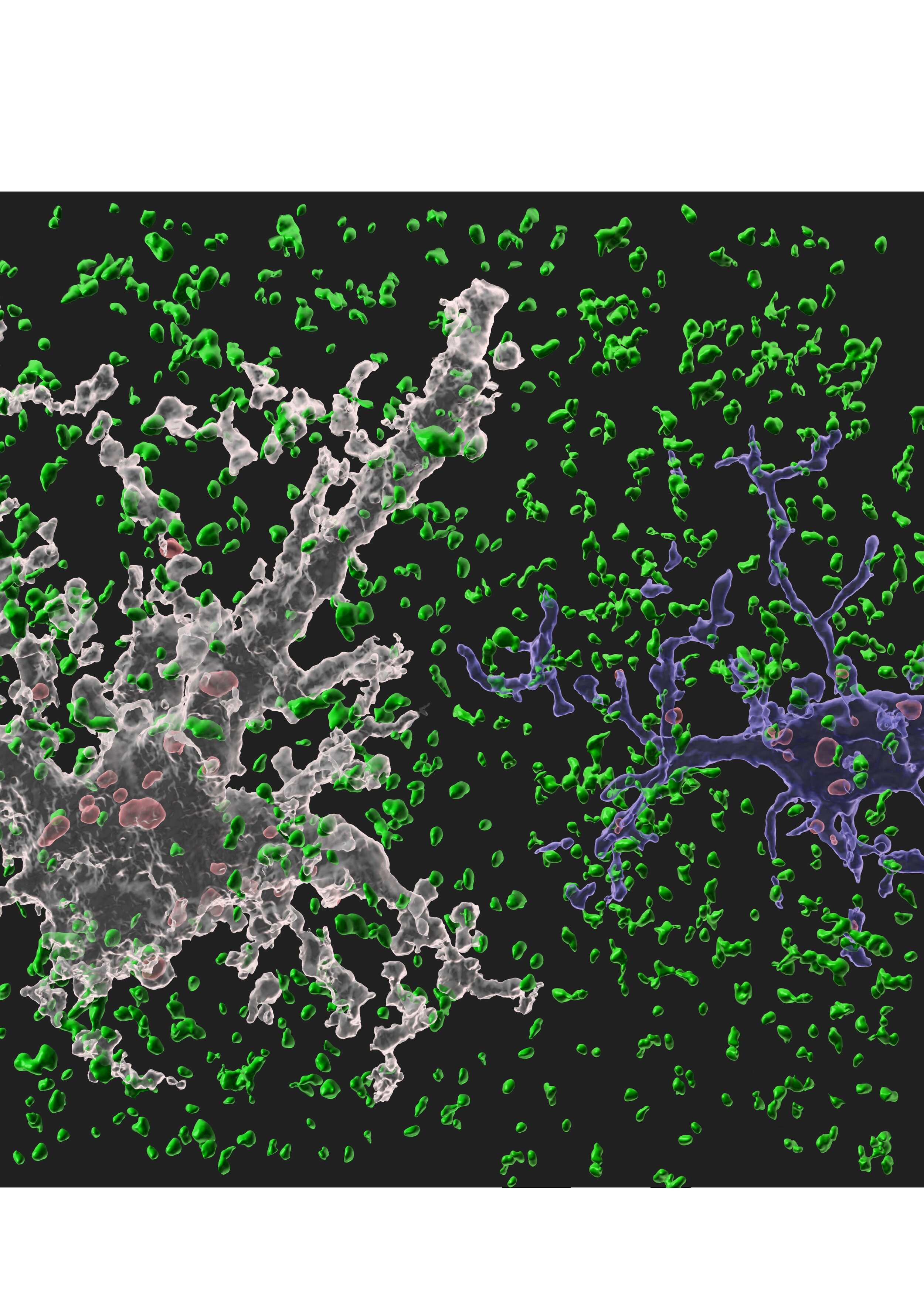

Allen, N. J., & Barres, B. A. (2009). Nature, 457(7230), 675.
How is the brain built? How does the brain maintain its function? What initiates various brain disorders?
The central nervous system was once thought to be an immune-privileged area. However, it has become increasingly evident that neurons and glial cells adopt molecular mechanisms of innate immunity in regulating each other’s function. In addition, CNS cells and vasculature communicate with various immune cells at the CNS borders, including the meninges, choroid plexus, lymphatic drainage system, and perivascular spaces, regulating the brain’s formation, maintenance, and pathophysiology.
Our laboratory has established that astrocytes and microglia control neural circuit refinement and homeostasis by selectively eliminating unnecessary synapses via phagocytosis. These phagocytic roles of glial cells turn out to be critical not only for regulating synapse number and neural circuits but also for reducing potential CNS-enriched antigens, such as synapse and myelin debris, Aβ, and tau. However, much remains unknown about how CNS cells communicate with peripheral immune responses through vasculature at the brain borders, mediating the intricate control of functionality of glial, vascular, and immune cells in both healthy and diseased brains.
Thus, our laboratory aims to uncover novel mechanisms and explore the implications of brain immunity in regulating CNS functions and the pathophysiology of various brain disorders. To achieve this vision, we propose to investigate the following key projects:
Discover novel roles of glial phagocytosis in brain homeostasis.
Identify key regulators and their roles in CNS innate and adaptive immunity.
Investigate interactions between vasculature and CNS innate immunity in controlling adaptive immune responses at the brain borders.
Develop new immunotherapies for various brain disorders.
By investigating these projects, our research will significantly enhance the current understanding of the core mechanisms of autoimmune disorders, neuroinflammatory diseases, and neurodegenerative diseases, providing novel therapeutic strategies for treating these devastating disorders.
NEWS
Click! the link
2026 August
Jinah Kim received the Ben Barres Trainee Award at the 2026 Cold Spring Harbor Glia Meeting!
2026 August
Se Young Lee’s paper in Nature was featured in various news outlets!
2026 May
2026 May
Juwon Park and Soomin Lee joined as Ph.D students.
2025 May
Jisu Lee and Ho Hyung Lee joined as Ph.D students.
2024 August
Our lab has joined the Center for Vascular Research at the Institute for Basic Science (IBS)!
2023 August
Our recent work published in Immunity was featured in Korean TV News
2023 May
Our work published in Nature Medicine was selected as KAIST Top 10 Research Achievements of 2022
2022 October
2022 August
2022 August
2022. May
2022. March
You kyeong Byun received a silver medal from Samsung Humantech Paper Award. Congratulations!
2021. September
Joon Hyuk Lee received 2021 Agarwal Award from KAIST. Congratulations!
A short video explaining Joon Hyuk Lee’s work published in Nature.
2021. August
Our lab’s recent works were introduced in media.
2021. June
A short video explaining Jung Joo Park’s work published in EMBO.

HOW DO WE FIGURE OUT?

In Vitro Assay
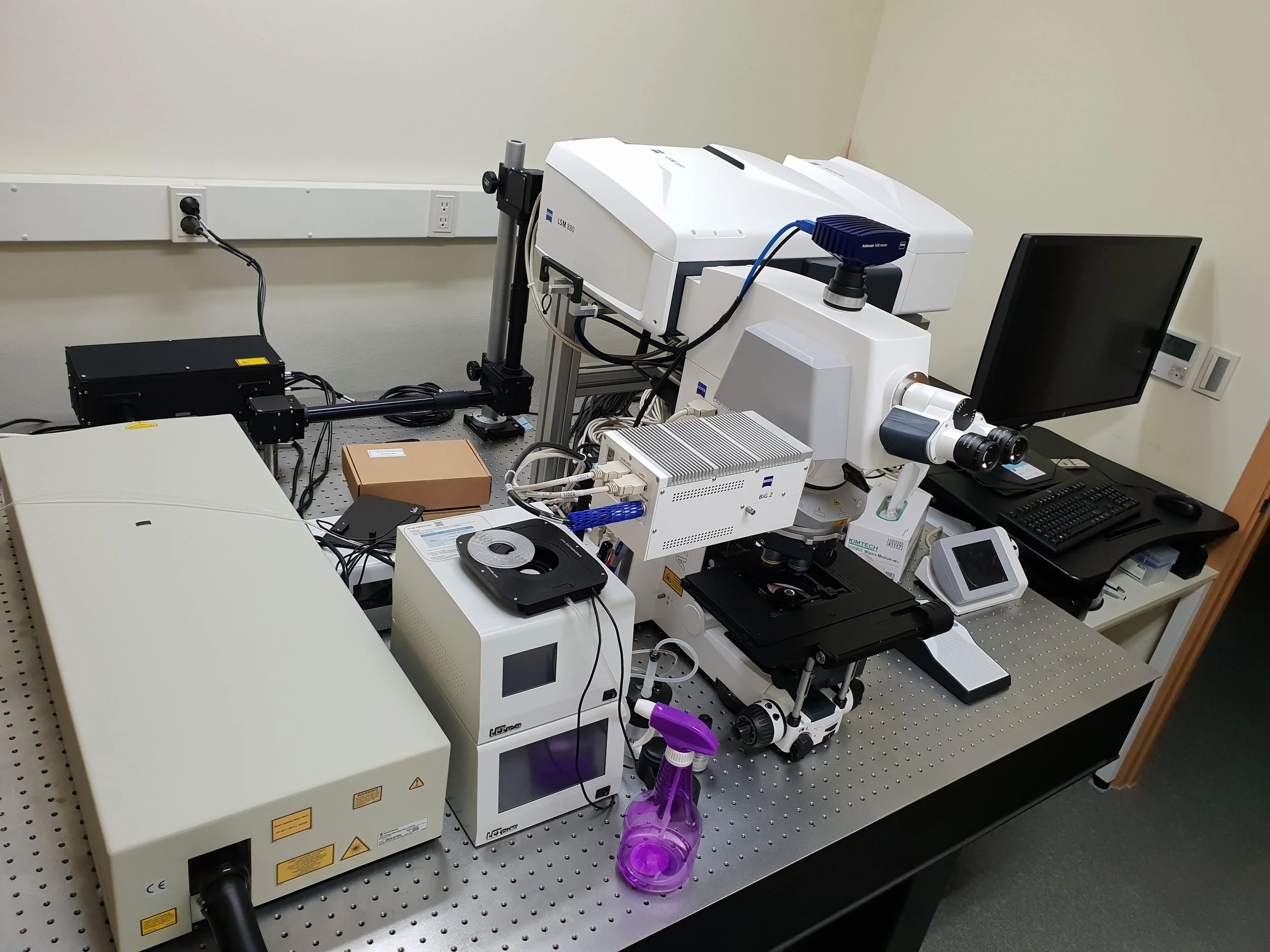
Confocal Imaging
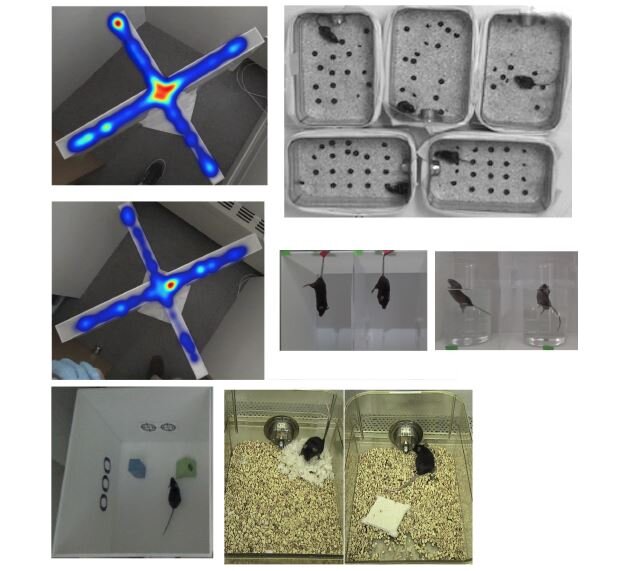
Behavior Assay
